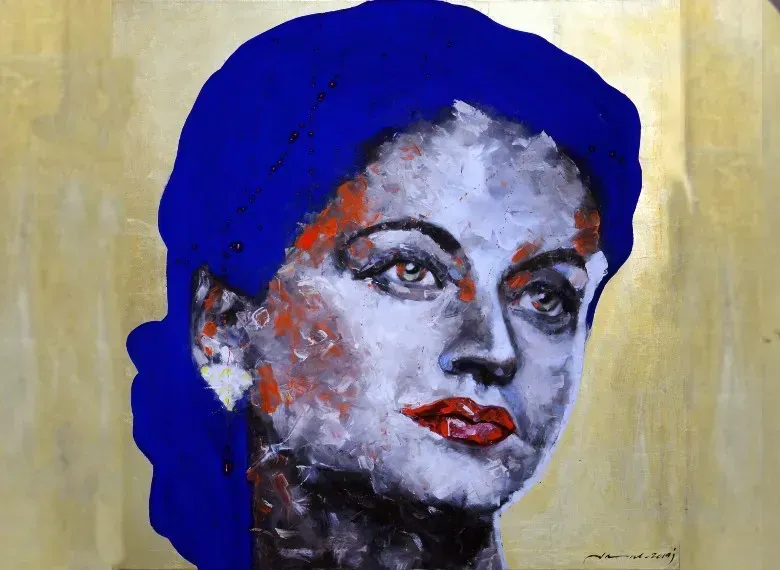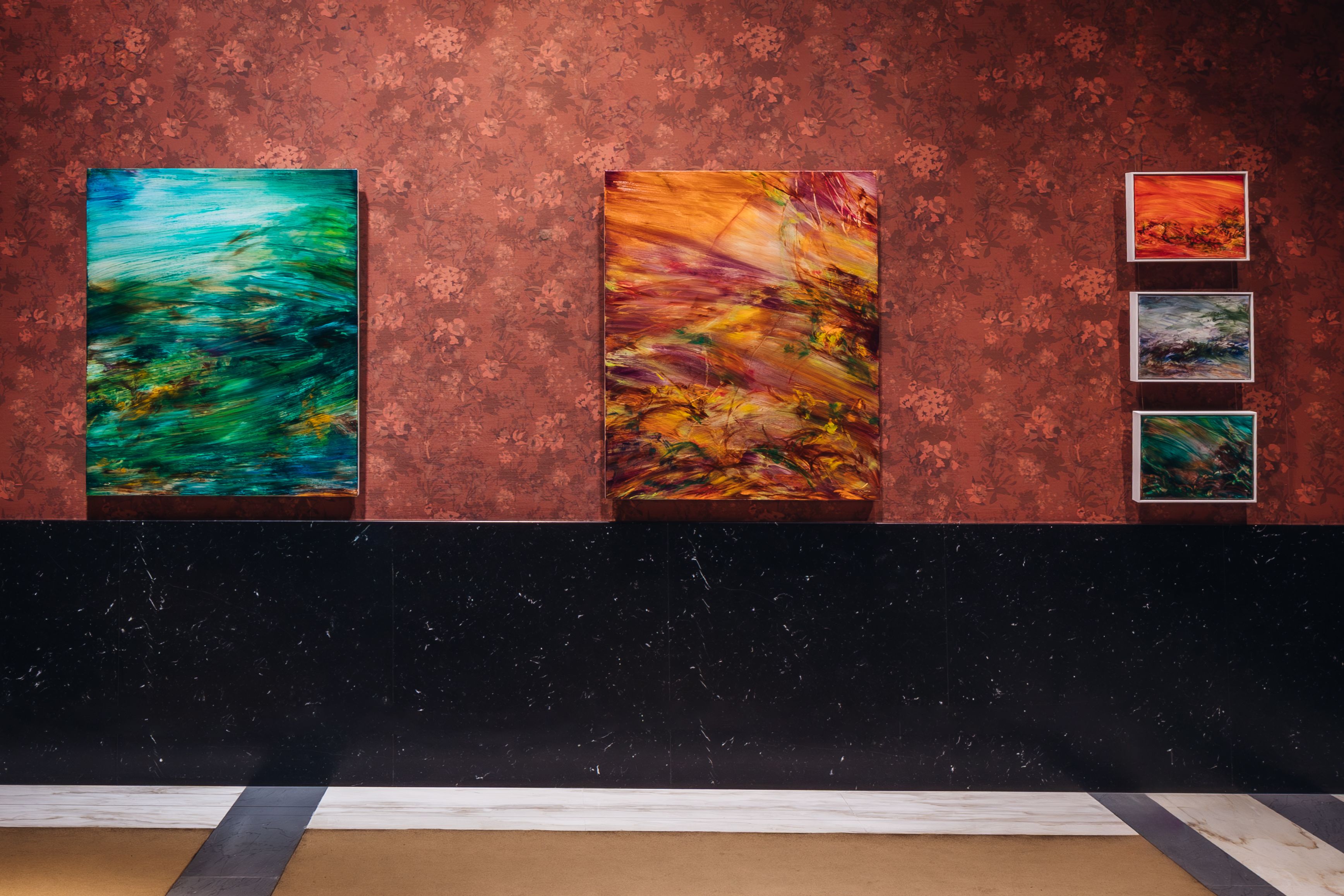
After an open call that drew nearly 100 applicants, The Arts Club Dubai chose Sylvia Ong for its very first Artist Residency Programme. The six-month residency, aimed at supporting early-career artists in the UAE, provided funding, mentorship and dedicated time to create new work.
For Ong, it was a chance to reflect on her practice and explore how memory and emotion can influence the language of painting in her ongoing series Inscape.
During the residency, mentorship and conversations were key in helping Ong see her work in new ways. Working with mentors and other creatives pushed her to question her usual methods and take a closer look at the choices behind her paintings.
Ong mentions, "The mentorship and dialogue played an important role in helping me see my work from perspectives I wouldn't normally encounter on my own. Working with Laila Binbrek encouraged me to reflect more deeply on my decisions and to push beyond what felt familiar or comfortable."
The diversity of voices involved throughout the programme also became an important part of the experience.
"Through discussions with mentors, collectors, patrons, marketing and communications professionals, and practising artists, I became aware of aspects of my work that I hadn't fully recognised myself. Sometimes others could articulate qualities or intentions that I was intuitively pursuing but had never consciously identified, something that wouldn’t have happened without the club."
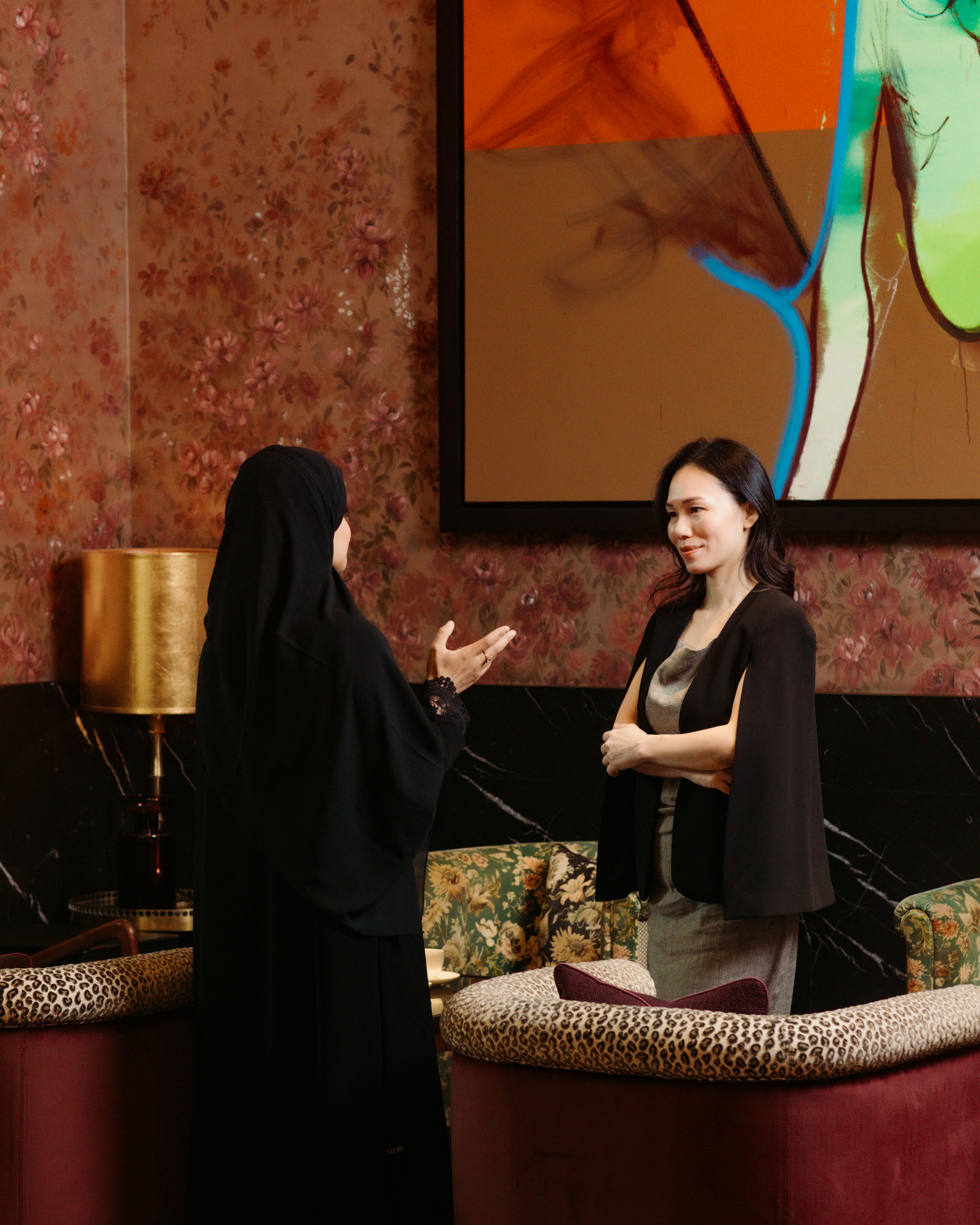
In Inscape, Ong looks at the connection between sound and memory. Music often becomes the starting point for her work, influencing the movement, colour and atmosphere within each painting.
Ong explains, "Music always plays an important role and is often where a painting begins for me. I don’t try to illustrate a particular song, but I pay attention to how I feel and the atmosphere the tracks create around me. These qualities find their way into the movement of marks, layers of colour, and the overall energy of the painting. The truth of the present moment during creation is the key in my work."
Memory enters her process in a similarly intuitive way, focusing less on specific images and more on the emotions that remain. Ong goes on to state, "What stays with me is rarely a clear image, but more the emotional residue of a place, conversation, encounter something subtle like a shift in light or a sensation that lingers. In Inscape, sound and memory overlap. Together they create an emotional atmosphere that guides the painting rather than a fixed narrative or destination."
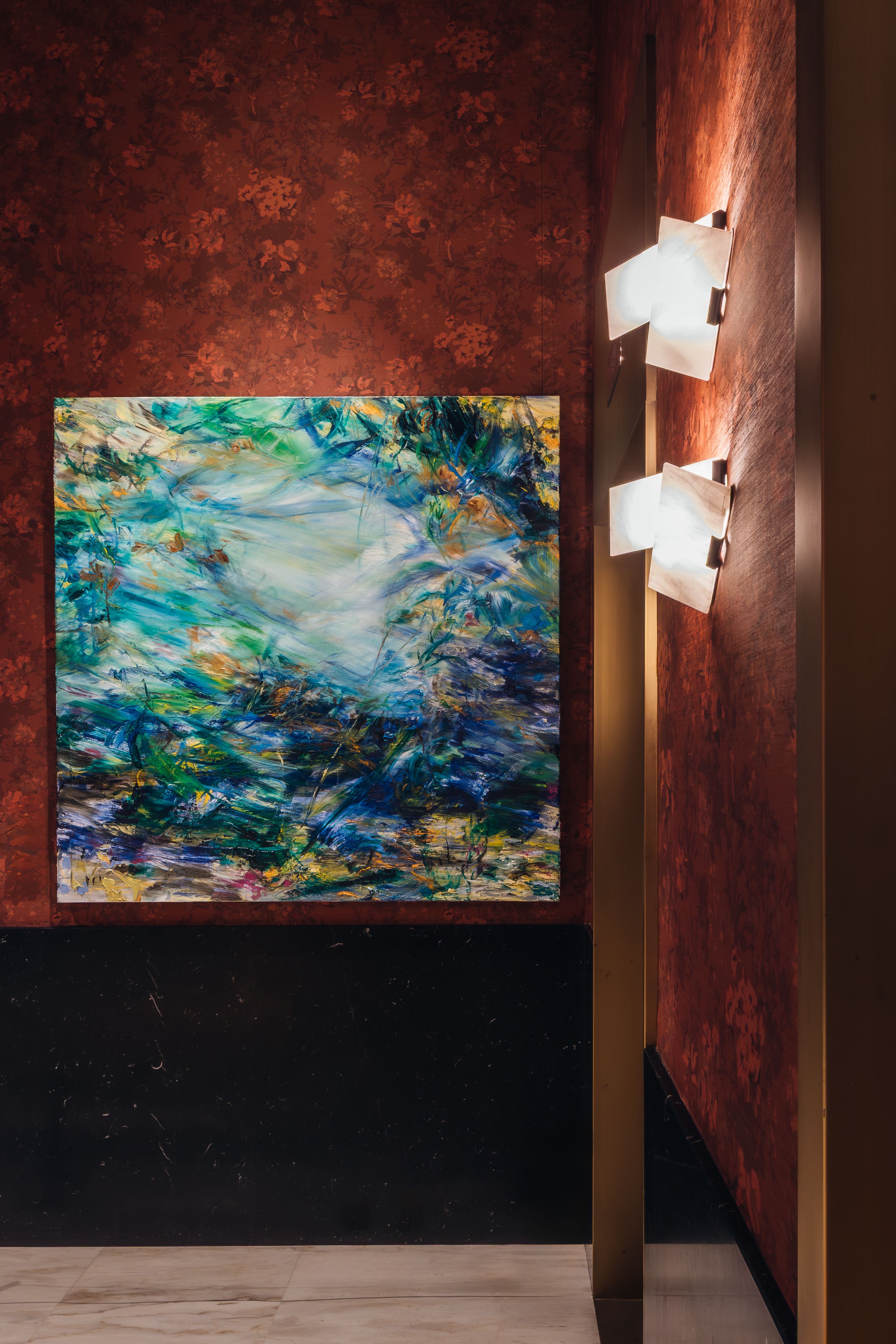
Ong’s paintings encourage viewers to spend time with the work, allowing details, textures and layers to reveal themselves gradually.
"I think slowing down happens when a painting doesn't reveal everything immediately. I build surfaces through layers of markings, transparency, texture and subtle shifts in colour and balance. Rather than directing the viewer to a single focal point, these elements encourage the eye to wander and spend time exploring different areas of the painting."
Rather than offering a fixed interpretation, her works leave room for personal connection.
"The works are rooted in personal memories and experiences, but they are intentionally open-ended. Without a fixed story, viewers can move through the painting in their own way, discovering their own connections and interpretations, much like moving through a landscape where there is no predetermined path."
This approach also aligned with the residency’s curatorial theme, Singular Focus, which encouraged a slower and more attentive way of working.
"It made me turn inward and sit more deeply with slowness, not as a constraint, but as a discipline and a way of focusing on one idea at a time. It also reminded me that intensity needs pause, otherwise, it loses clarity", reflects Ong.
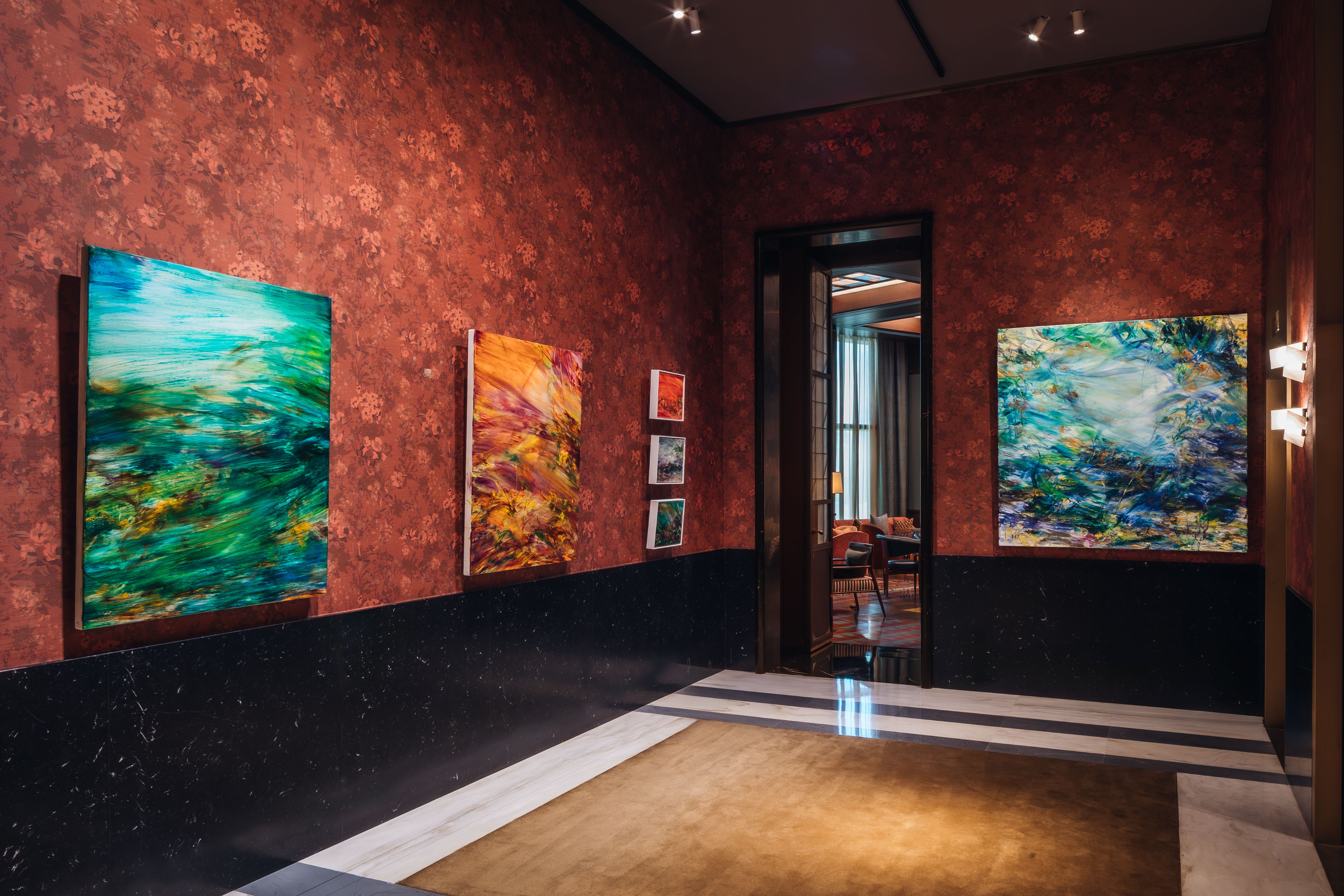
One of the most challenging works Ong created during the residency was After Returning, which required her to step away from control and allow the painting to develop naturally.
"At first, I tried to force it into a specific emotional space, but the painting resisted that approach. Nothing felt natural, and I realised I wasn’t responding to what was actually happening on the surface."
After stepping away from the studio, the work began to shift.
"When I returned, I stopped trying to control the outcome and allowed the painting to develop more intuitively. The work shifted quite quickly after that. It became a return to trust, both in the process and in myself as a painter."
For Ong, painting preserves something beyond the image itself: a feeling, a moment, or an experience that might otherwise disappear.
"I think painting can preserve the emotional essence of an experience. It can hold a mood or a fleeting sensation that might otherwise disappear."
Ong continues, "But I don’t see that as a loss. The gaps are where the work becomes alive again in another way. Each viewer doesn’t just interpret the painting; they complete it through their own lived experience."
Visit: theartsclub.ae
Hayley is passionate about everything 90s, from art and fashion to music. Her love for glossy, artful coffee table books started early during her days in book publishing and has only grown since. She collects luxury magazines from around the world, enjoys exploring creative workshops around the city, and always chases dinners with a view, preferably by the beach.