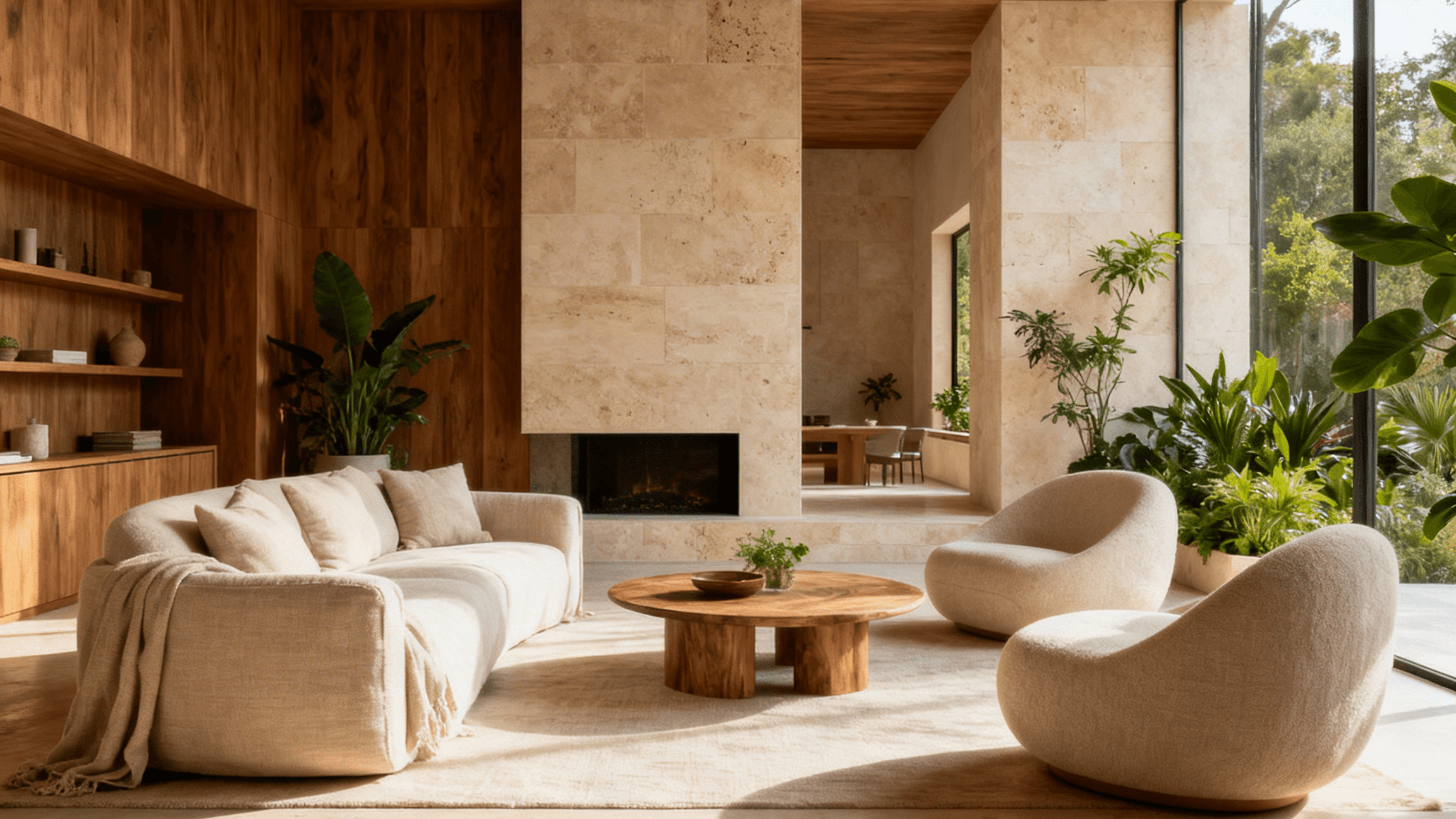
Drawing on Aktan's design training in Milan and years of experience across the UAE, Aktan has come up with a philosophy that puts people's wellbeing at the heart of every project. With her Longevity Design Method, she mixes architecture, neuroscience and wellness to create interiors that actually support how people live, work, and feel. From circadian lighting and natural materials to the flow of a space and emotional comfort, her approach shows the growing trend of designing spaces that make everyday life better.

Art in the Middle speaks with Aktan about the experiences that shaped her practice, why longevity is redefining interior design and what the future holds for human centred architecture.
Studying design in Milan instilled a deep appreciation for proportion, craftsmanship, material culture and timeless aesthetics. It reinforced the idea that great design is built on discipline, attention to detail and intention.
Working across the United Arab Emirates introduced a different perspective, where projects respond to diverse cultures, lifestyles and ways of living. Together, these experiences shaped an approach that balances refined aesthetics with spaces that are functional, emotional and deeply connected to the people who use them.
The Longevity Design Method grew from the belief that interiors should actively support health and wellbeing rather than simply look beautiful. Since people spend much of their lives indoors, elements such as light, air quality, acoustics, materials and spatial flow all influence mood, energy and the nervous system.
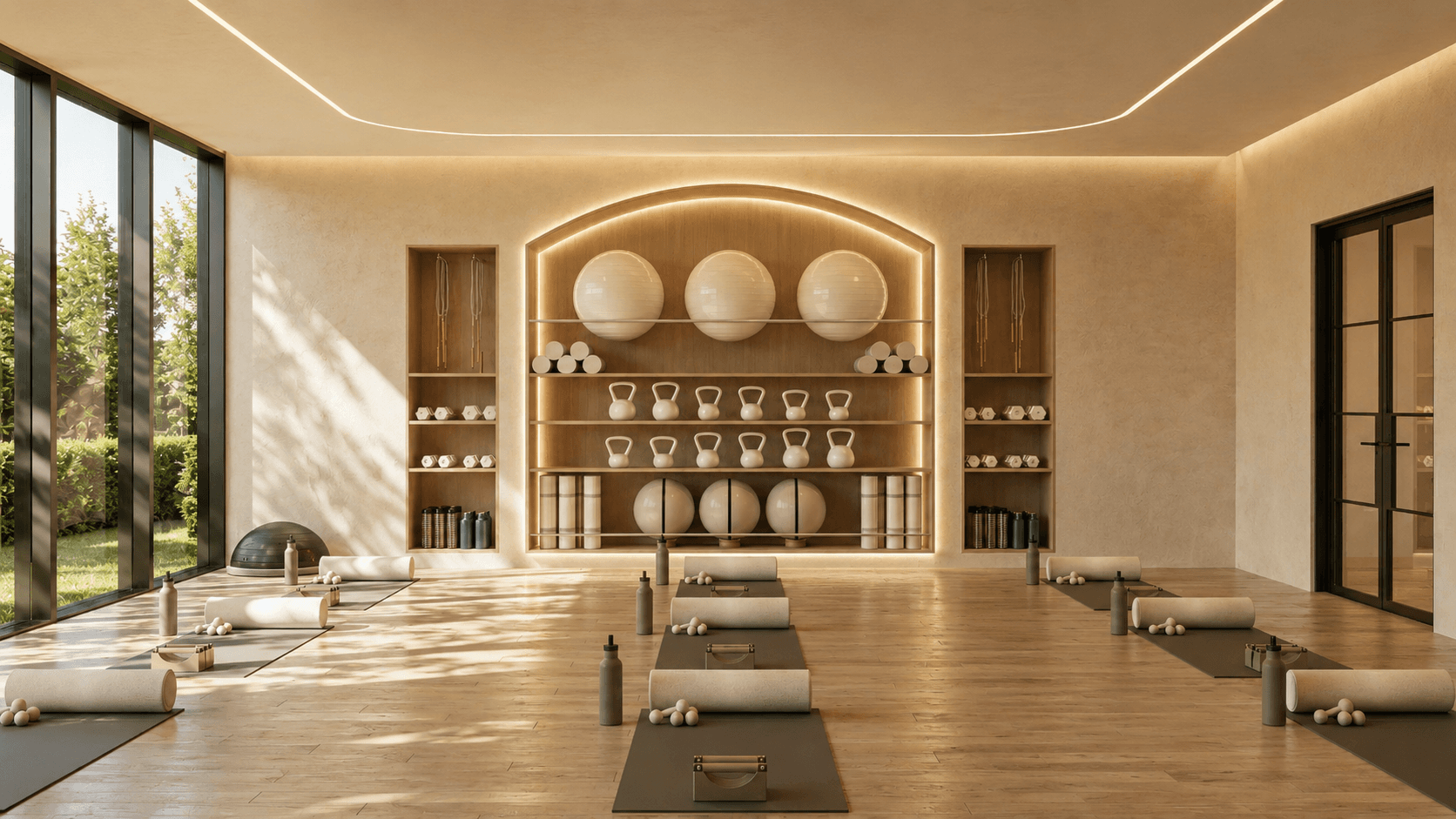
As awareness of wellbeing continues to grow, clients are increasingly looking beyond aesthetics towards spaces that help them feel better, recover more effectively and live well over time.
Before considering aesthetics or materials, the focus is always on understanding the client. How do they live? How do they want the space to make them feel? What emotional or practical needs should it support?
Only after answering those questions does the design begin to take shape through materials, colour, lighting and furniture.
Every design decision influences daily life. A carefully planned bedroom can improve sleep, while a workspace with better daylight and acoustics can increase focus. Natural mat
softer transitions and reduced visual clutter can also create a greater sense of calm.
Thoughtful interior architecture ultimately supports healthier habits, reduces stress and creates environments that positively influence everyday wellbeing.
While trends can offer inspiration, they should never define a project. Instead, the emphasis remains on strong spatial planning, quality craftsmanship, natural materials and emotional durability.
Designing spaces that continue to meet a client's needs years later is, in itself, a sustainable approach, reducing the need for frequent renovations or replacements.
The future of interior architecture lies in designing for human health. Greater emphasis on circadian lighting, healthier materials, indoor air quality, acoustics and neuroscience led planning will transform how interiors support wellbeing.
Technology will also become increasingly integrated, but ideally in ways that simplify everyday life rather than complicate it. Ultimately, the goal is to create spaces that contribute to people's biological, emotional and psychological wellbeing.