
Global Positioning System - Jameel Arts Centre
Global Positioning System at Jameel Arts Centre explores how we navigate space beyond maps through installations, film and research-led works by more than 40 artists across Dubai and Jeddah.

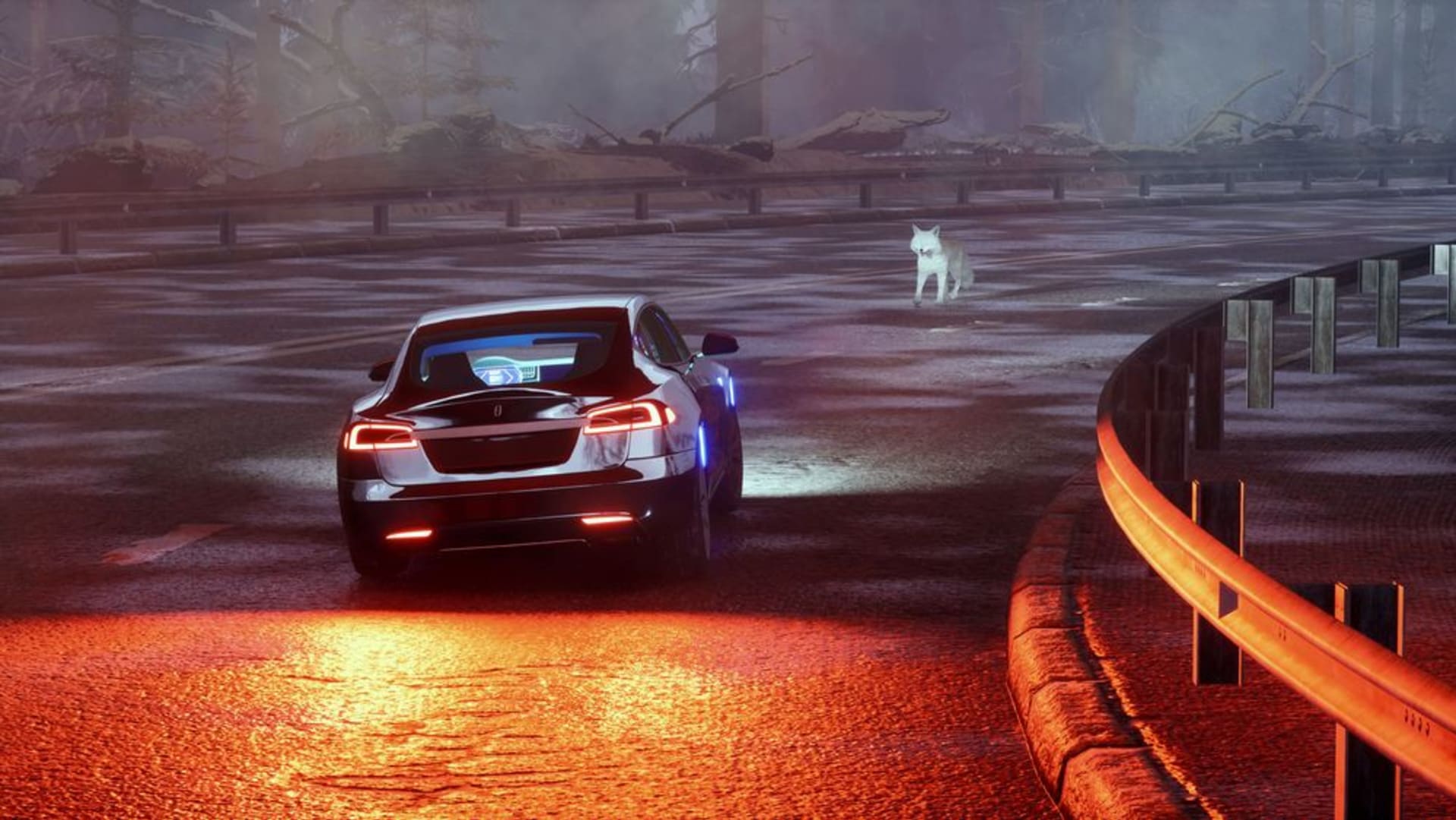
Images courtesy of Art Jameel | Artist Lawrence Lek
What happens when we stop relying on maps? Running from 9 May to 4 October 2026, Global Positioning System brings together more than 40 artists across Art Jameel’s Dubai and Jeddah venues to explore how we navigate space beyond the map.
Rather than reflecting geography objectively, maps are presented as instruments of power. As navigation systems take over, the need to read space begins to fall away.
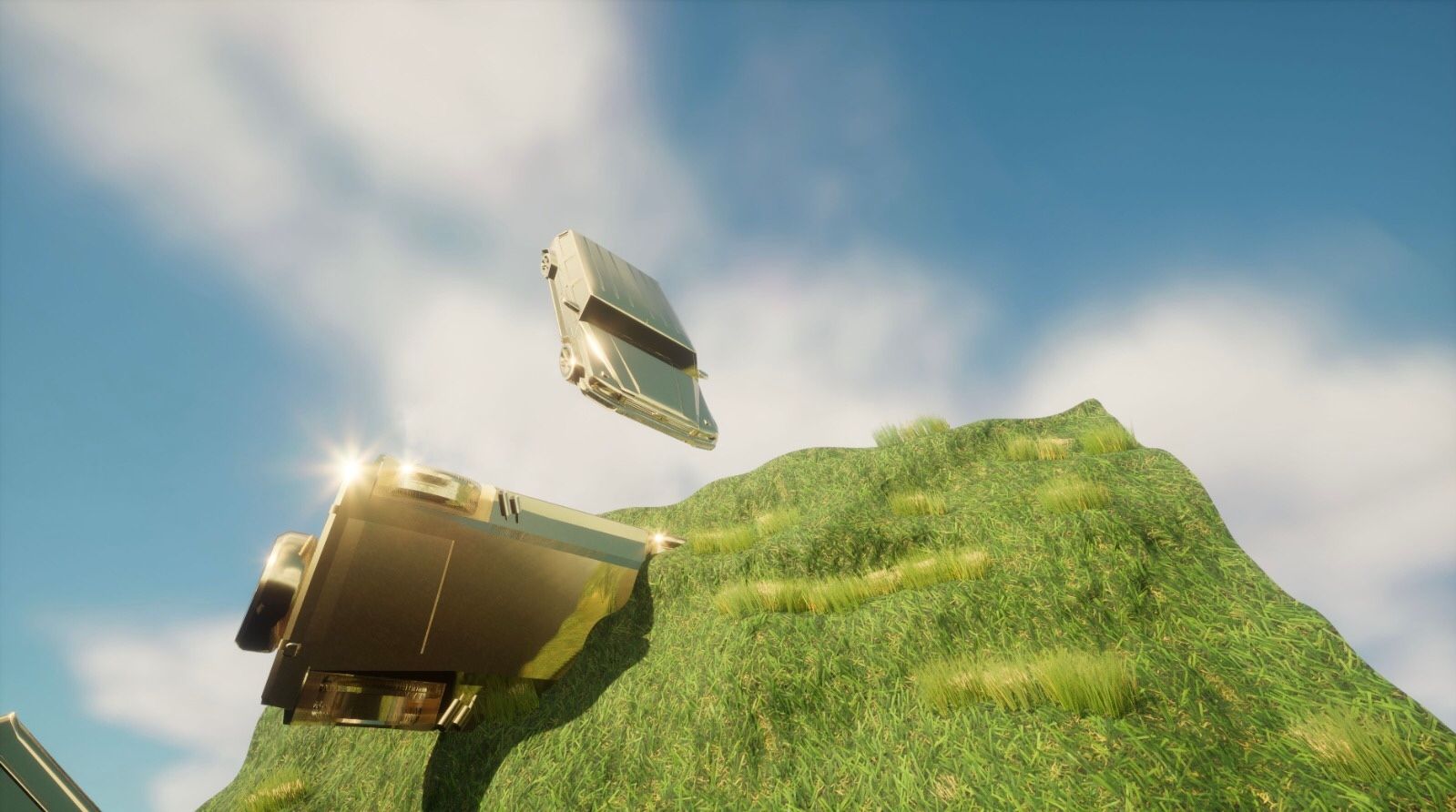
Artist Tatyana Zambrano explores the entanglement of informal economy and luxury automobiles in her home country, Colombia. In underprivileged cities like Medellín and Cali, SUVs such as the iconic Mercedes G-Wagon serve as potent symbols of status, luxury and excess, far beyond the functional use of the automobile.
Across installation, film and research-led works, the exhibition moves between fast cars and donkeys, spinning globes and street barricades, cosmic highways and broken bridges.
It suggests that navigation is not just about getting from one place to another, but how we make sense of where we are.
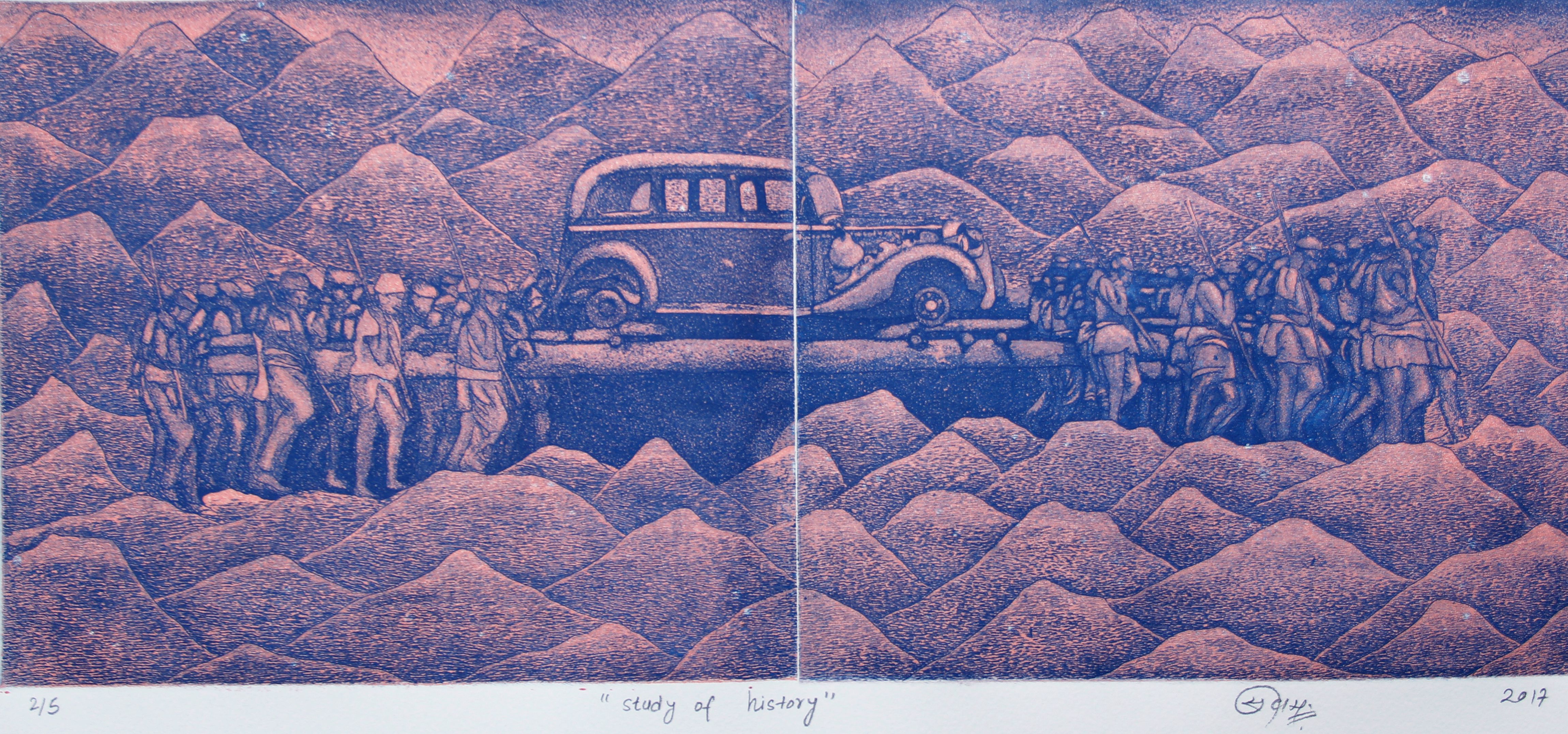
Before 1956, the Kathmandu Valley had no motorable road connecting it to the outside world. Cars imported by the Rana and Shah nobility were shipped to Calcutta, driven to the Himalayan foothills, dismantled and then shoulder-borne over the mountains - a journey of nearly five weeks.
Porters knew the vehicles not by their make or model but by the number of men required to carry them: 32, 64, 96.
Subas Tamang reinterprets a 1948 photograph by German American photographer Volkmar Wentzel, which documents a Mercedes-Benz being carried on bamboo poles by sixty porters along a mountain trail leading to the Nepalese capital.
Tamang reinterprets Wentzel's image from the perspective of the Tamsaling community, to which most of the porters belonged.
Works by artists including Bani Abidi, Mohammed Kazem and Lawrence Lek explore what happens when navigation breaks down.
Gallery: Jameel Arts Centre
Location: Jaddaf Waterfront, Dubai
Dates: 9 May to 4 October 2026
Visit: jameelartscentre