

Banyan Tree Dubai: Serene by Etienne
Located in the heart of Bluewaters Island, Banyan Tree Dubai offers a calm, design-led escape that blends wellness with gallery-worthy art. With panoramic views of the Arabian Gulf and Ain Dubai, it’s close to the amenities and entertainment of Bluewaters Island, yet offers an atmosphere that encourages pause and connection.


Image courtesy of Banyan Tree Dubai
Banyan Tree Dubai: where design and hospitality quietly align
Located in the heart of Bluewaters Island, Banyan Tree Dubai offers a calm, design-led escape that blends wellness with gallery-worthy art. With panoramic views of the Arabian Gulf and Ain Dubai, it’s close to the amenities and entertainment of Bluewaters Island yet offers an atmosphere that encourages pause and connection.
From the moment you arrive, the tone is calm and effortless. The entrance is elegant but intentionally understated. Guests are greeted with cold towels and invited to check in from a comfortable lounge space where the scent of essential oils and soft lighting immediately slow the pace. Materials like natural stone, wood, and textiles set a relaxed tone, while expansive windows draw in natural light and invite a visual connection to the sea.
Art and Design
Spanning 197 guest rooms, a private villa, and 98 branded residences, over 2,470 pieces of art, décor, and accessories were sourced and installed. The collection includes large-scale commissioned works and handcrafted objects from artisans across the globe, with a strong focus on local and regional voices that capture the character of the Emirates.
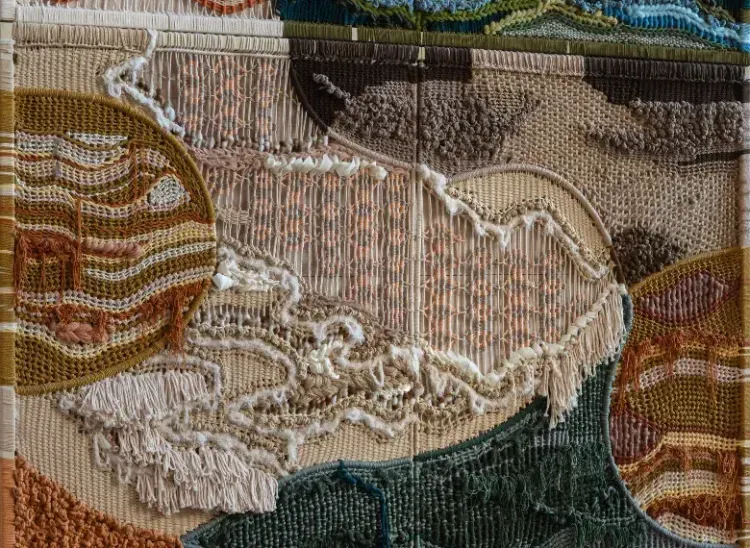
Signature works by Purdey Fitzherbert, Agnes Hansella, Momoka Gomi and Etienne Moyat are placed throughout the property in key areas such as the lobby, restaurants and suites.
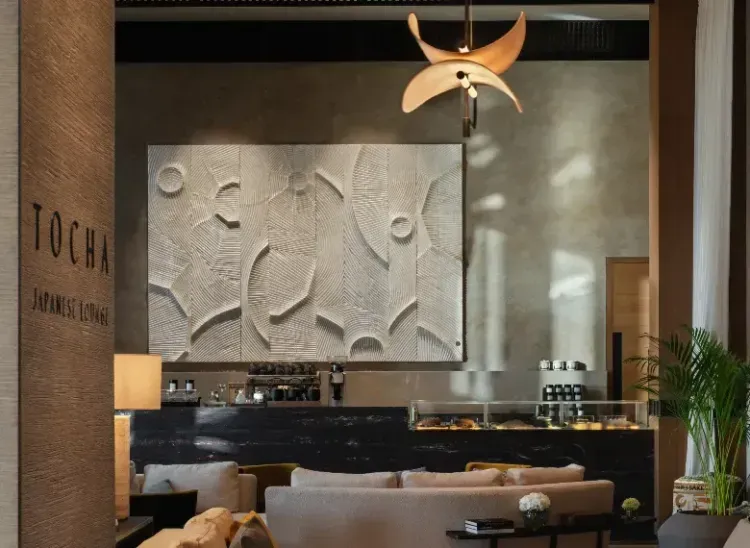
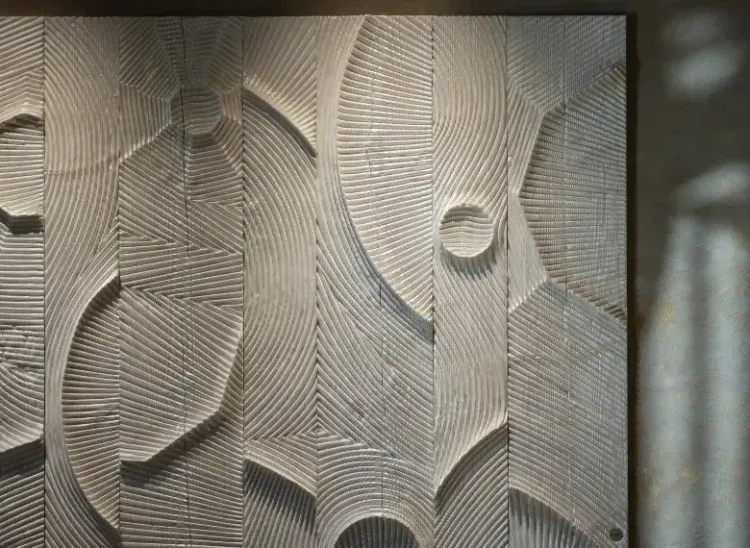
Fitzherbert’s sculptural pieces bring a sense of organic movement and grounding and are praised for her artistic vision and use of traditional craft techniques and natural pigments. Hansella’s large rope installations add softness and texture, weaving traditional techniques into contemporary spaces. Indonesian artist Agnes Hansella elevates macramé to fine art through wall hangings, sculptures, and installations that cover entire buildings. Gomi’s abstract textiles lend warmth and emotion; woven cloth, like denim and skin, embraces notions of personal expression and lived experience through the passage of time. Colours may be subtle, fading into surface textures or eroded in places to represent the life stories of the owner. Moyat’s carved wood pieces layer in depth and tactile richness.
The curation goes beyond the main installations. Smaller handcrafted elements—ceramic vessels, carved accents, bespoke textiles—have been selected with equal care, ensuring each space, whether private or shared, feels layered and intentional. Rather than overwhelm, the art enhances the environment, offering moments of quiet engagement.
The architecture carries the same restraint. Interiors are the work of BLINK Design Group, whose signature here is a series of sculptural timber and metal screens drawn from Asian latticework traditions carved, geometric, and used less as decoration than as a way of filtering light and framing views without ever fully enclosing a space. It's a device that recurs across the property, softening transitions between public and private areas and giving even large volumes a sense of intimacy.
That same instinct for stillness defines Toucha, the hotel's lounge, conceived in the spirit of a traditional Japanese tea house. The room is minimalist and light-filled, pared back to a few considered materials, with guests invited to serve themselves tea rather than be served a small gesture that sets the tone for the kind of hospitality Banyan Tree Dubai is going for throughout: present, but never intrusive.
To see more of the regional artists shaping the UAE's creative scene, explore our latest exhibition spotlights.

The Rooms
The same thoughtful aesthetic continues into the rooms. The Sea View room featured a private terrace with sweeping views of the Gulf and a soft palette of sand-toned neutrals and natural materials. Handmade furniture, clean-lined lighting, and open layouts created a calm flow. A freestanding soaking tub and rainfall shower added a spa-like touch, while the brand’s sustainability ethos came through in details like refillable glass bottles, bamboo toothbrushes and minimal plastic.
Dining
Dining is a central part of the Banyan Tree experience. Demon Duck by Alvin Leung offers bold, expressive interpretations of modern Asian dishes, served in a space that feels playful and design-forward. The focus is on flavour and balance rather than spectacle.
Alizée, the trendy Mediterranean beachside restaurant, offers a more laid-back atmosphere with dishes that spotlight fresh seafood, seasonal vegetables, and grilled meats. It’s ideal for a long lunch or sunset dinner, just steps from the water.
Both are destination-worthy on their own terms, which matters on an island increasingly crowded with hotel dining that exists mainly to serve guests. Demon Duck carries the pedigree of Alvin Leung the chef behind Bo Innovation in Hong Kong, known for treating "molecular" technique as a means rather than a gimmick which gives the outlet a reason to draw a Dubai dinner crowd that has no intention of staying the night. Alizée works on the opposite register: less about culinary theatre, more about the setting doing the talking, with the Gulf close enough that the meal and the view are inseparable. Together they give the hotel two distinct reasons to visit that have nothing to do with the rooms upstairs, which is generally the clearest sign that a resort's dining program has been built with genuine intent rather than as a convenience.
Explore more of our favourite design-led restaurants in Dubai.
Wellness
Wellness is woven naturally throughout the experience, from the Banyan Tree Spa and hydrotherapy circuit to quiet movement sessions and a private beach. The design supports rest, with light, space and scent used gently to encourage reconnection.
The spa's architecture is where the hotel's design language becomes most tactile. Its walls are lined with handcrafted banana leaf wall coverings, woven by hand from natural fibres a detail that brings texture and warmth into a space that could easily have defaulted to cold marble, and one of the clearest examples on the property of craft standing in for conventional luxury signalling. Treatment rooms follow a similar logic: soft, fluid curves modelled on the shape of sand dunes, with lighting designed to replicate the quality of the Dubai sun rather than the flat white of a typical spa corridor.
The signature offering is the Rainforest experience, a sensorial rainwalk taken barefoot along a dedicated pathway, with separate journeys offered for men and women. It's less a single treatment than a sequence heat, mist, texture underfoot built to be moved through slowly rather than rushed. Treatments themselves range from the Royal Banyan Herbal Pouch Massage to a Jade Face Massage, alongside a set of Arabian-inflected rituals: a rose petal and black soap footbath, and a date and camel milk salt scrub that grounds the spa's global Banyan Tree language in something distinctly of the region.
Banyan Tree Dubai offers something quieter and more intentional in a city known for its shine. By prioritising meaningful design and creative expression, the resort offers guests more than comfort, it offers a sense of place. Every detail, from commissioned art to handmade ceramics, tells part of a broader story that honours both the natural landscape and the cultural richness of the Emirates.
For residents and visitors who value calm and creativity, this is not just a luxury hotel. It is a destination to return to, one that leaves space for stillness and invites you to see more deeply, through design.
For more art, design and culture experiences across the city, explore our guide to things to do in Dubai.

Good to Know
Price range: Rooms start from around AED 860 per night in the summer low season, rising to AED 3,500+ for suites during peak winter season (December through February). The sweet spot for value is June and July, when rates drop considerably and the hotel is quieter a genuine upside in a city where summer heat clears the tourist traffic and leaves the pools, beach and spa to residents. Book direct through banyantree.com to receive a daily resort credit of AED 185 for rooms or AED 370 for suites, redeemable at the spa or restaurants a meaningful offset against the cost of a treatment or dinner that third-party booking platforms won't give you.
Best for: couples and design-minded travellers looking for a slower register than the Marina or Downtown circuit, as well as residents wanting a considered staycation without leaving the city. It's less suited to families chasing a high-energy beach-club scene, and more suited to anyone who wants the art and architecture to be part of the experience rather than a backdrop to it.
Getting there: Bluewaters Island is around 15 minutes from Downtown Dubai by car via Sheikh Zayed Road. Without a car, it's reachable by metro to Dubai Marina followed by the tram to Bluewaters, or by water taxi directly from Dubai Marina a more scenic option worth building into the trip if time allows.
Booking advice: request a Serenity Oceanview Guestroom specifically at the time of booking rather than leaving it to a room-type upgrade on arrival, since Gulf-facing inventory is limited relative to the property's total room count. If the Rainforest experience is a priority, book it ahead rather than on the day treatment slots for the signature spa journeys are the first to fill, particularly on weekends.
Visit: Banyan Tree Dubai