
David Carson reinterprets The Macallan Timeless Collection with a design as considered as its craft
Designer David Carson reinterprets The Macallan Timeless Collection through a human-centered design lens, blending heritage, authenticity and modern luxury across its Double Cask, Sherry Oak and Colour Collections.


Images courtesy of The Macallan
Artist David Carson draws on the character of The Macallan’s Double Cask, Sherry Oak, and Colour Collections to create a refined visual language for the brand.
At The Macallan, heritage is not static but constantly reinterpreted. In collaboration with David Carson, symbols from two centuries of whisky making are incorporated into a visual language that feels instinctive and forward-looking. Inspired by the Timeless Collections, the new identity conveys the depth and character of the spirit through a design that is both expressive and resonant.
This approach reflects a broader shift in contemporary design understanding. In an era where digital tools are transforming the creation and experience of visual culture, the question of what makes design feel human is becoming increasingly relevant. For Carson, who has been working with The Macallan since 2019, modern luxury is characterised not just by appearance but by emotional connection and authenticity.
“It really depends on the product being highlighted, but the aim is always to visually reinforce the heritage and qualities of the brand itself,” he says. “Today, audiences want to feel an emotional connection, to sense that real people stand behind the brand and are deeply invested in what it represents.”
Carson explains that graphic design plays a central role in creating a sense of authenticity, particularly as creative tools continue to evolve. He highlights the importance of maintaining a human presence within brand identity, noting that while AI and advanced software are transforming the creative process, luxury brands must be careful not to lose the emotional and human qualities that give design its meaning.
The role of communication in design
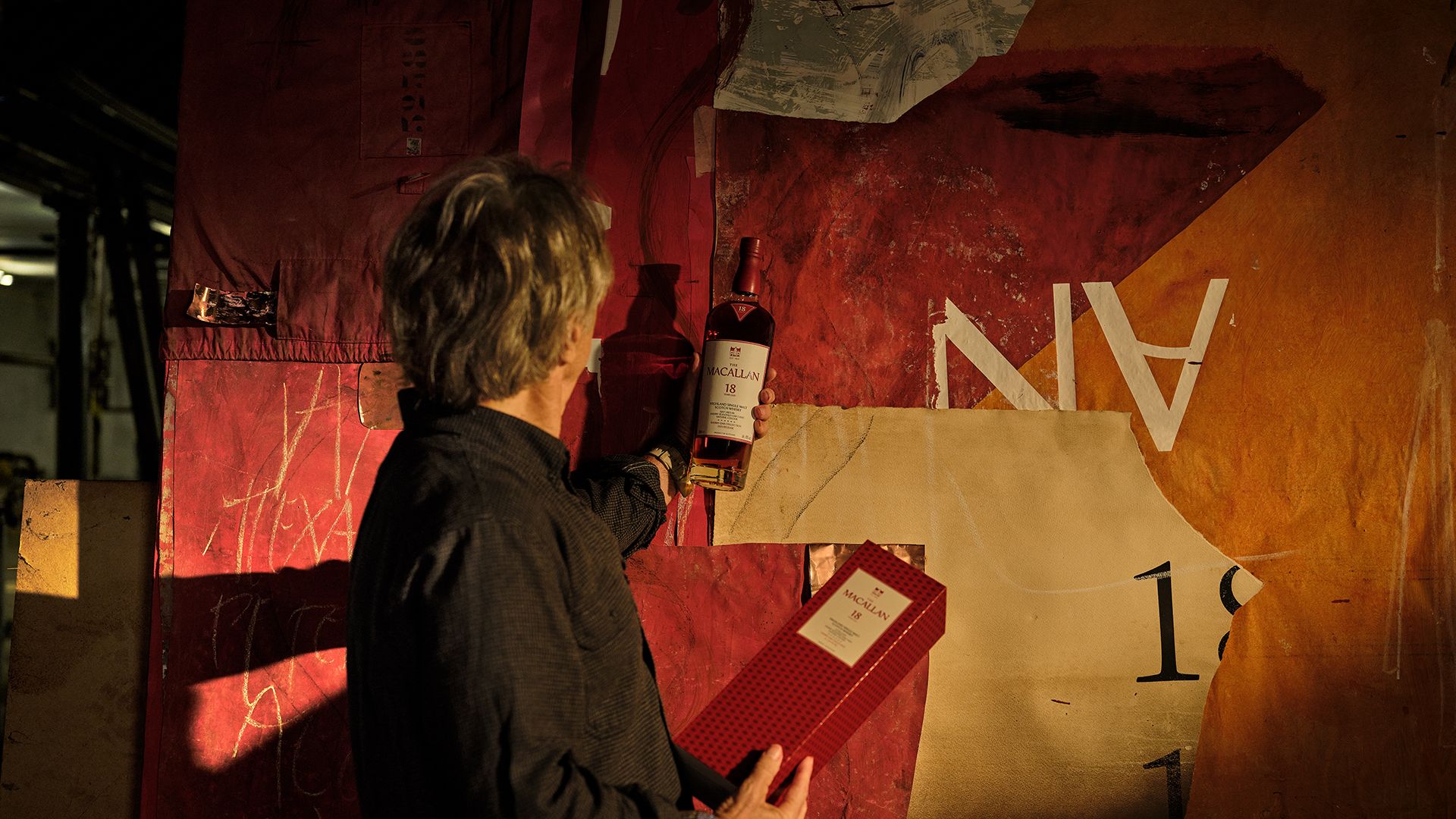
For Carson, clarity in design is not the same as communication. He draws a clear distinction between what can be read and what can be understood.
“Don’t confuse legibility with communication,” he says. “Something can be easy to read and still fail to say anything meaningful.”
When working with The Macallan, Carson begins with understanding the brand as a complete world rather than a single identity.
“Understanding The Macallan, not just as a brand, but as a world with its own audience, history and personality is essential,” he explains. “The central question is always what does The Macallan truly represent, and how can that be expressed visually in a way that genuinely engages people.”
He adds that even the most refined copy has no value if it fails to draw attention. Instead, he sees typography, imagery, layout and composition as interconnected tools that communicate meaning.
The Macallan as a brand built on depth and continuity
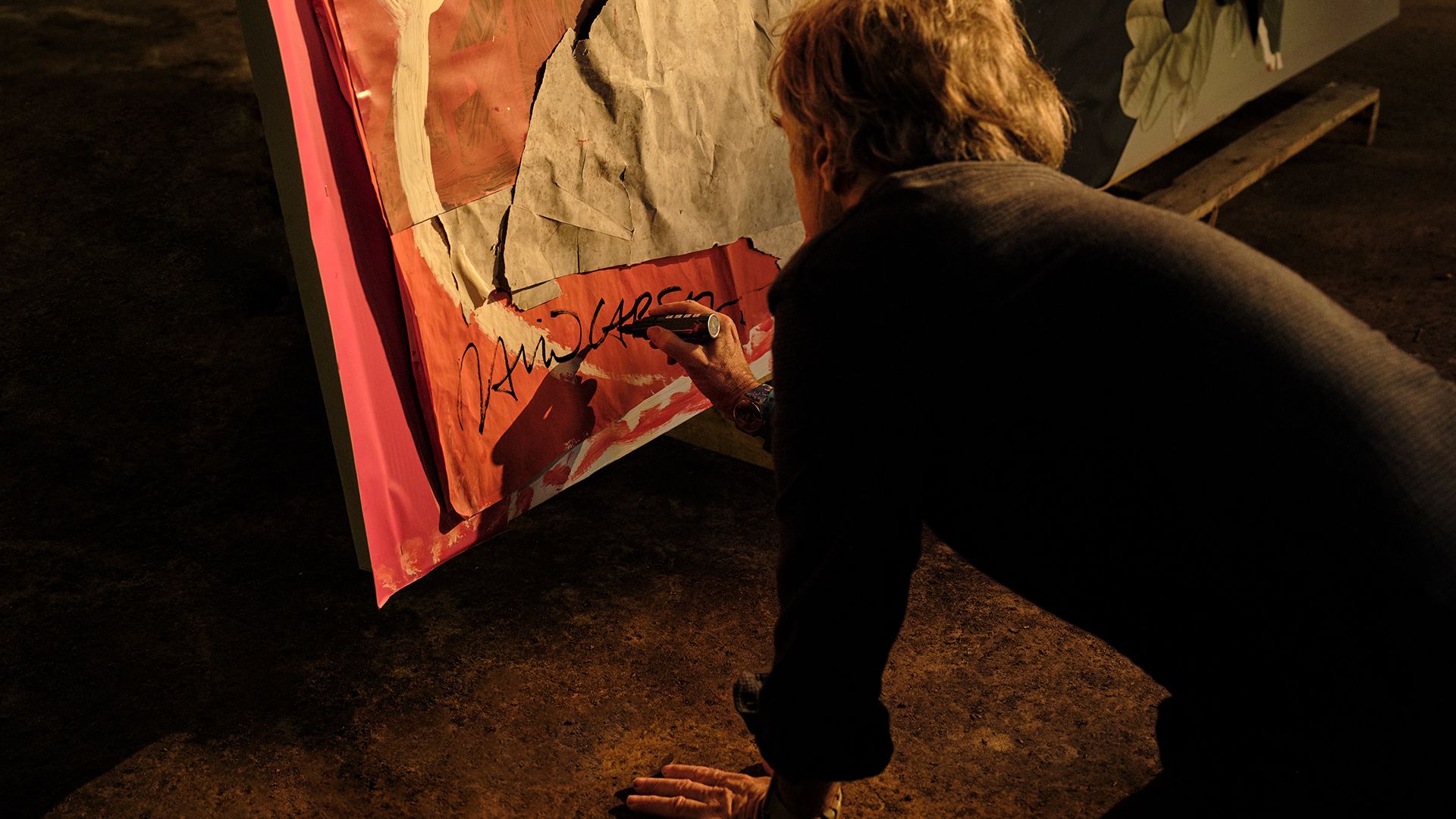
“The Macallan has an incredible depth to it in the character of the spirit, the complexity of the whisky, and the story behind 200 years of history,” says Carson. “It is both classic and progressive, so the challenge is to honour its rich past while still looking ahead.”
His time at the Macallan Estate in Speyside reinforced this perspective. He met people working across the organisation, from whisky makers to long standing team members.
“I spent time with one of the whisky makers as she worked and tasted, and with many members of the team,” he recalls. “What stood out to me was the authenticity and care they brought to even the smallest details.”
When good design becomes collectible
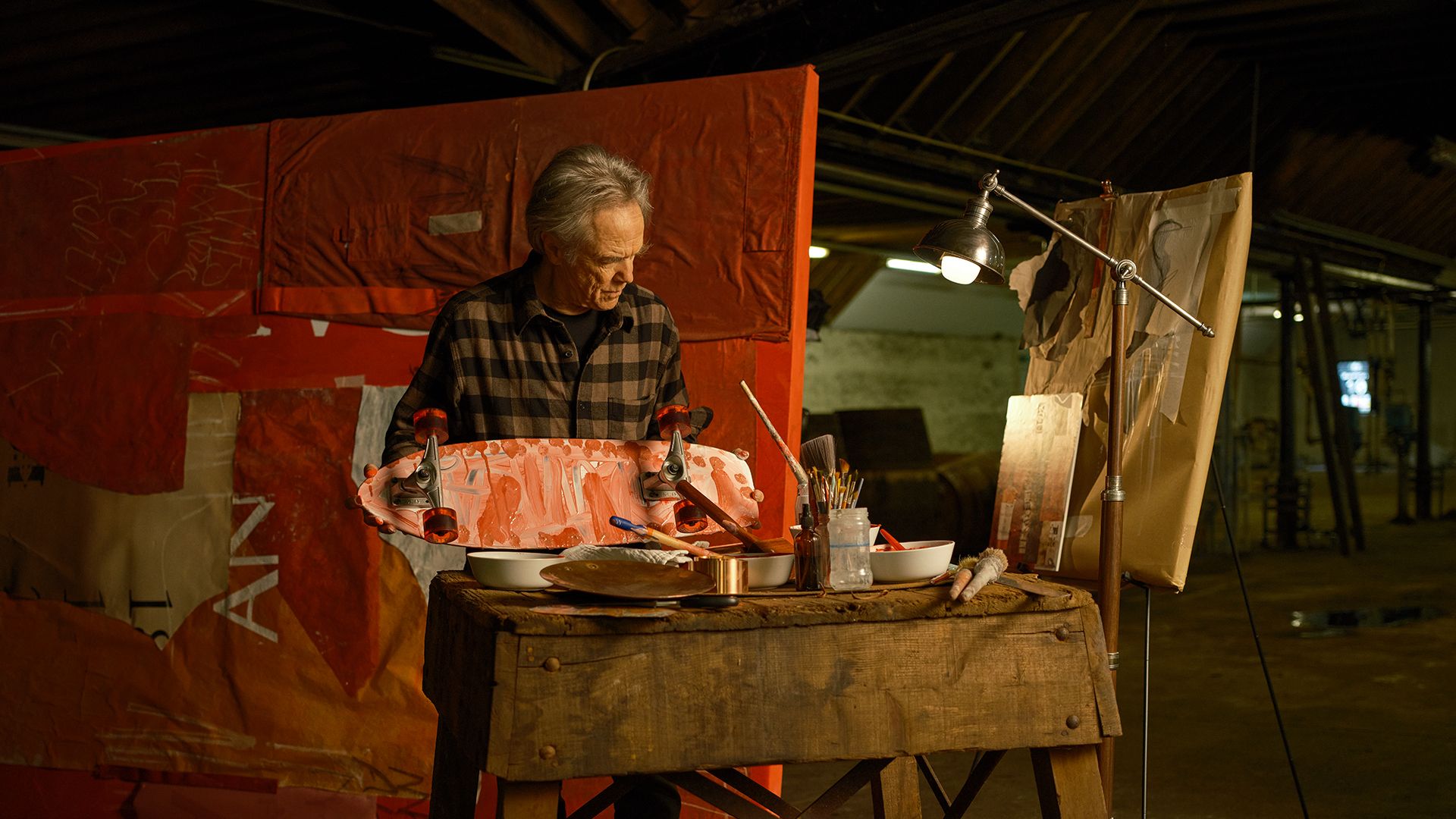
When asked about designing objects that are both functional and collectible, Carson resists making that distinction too early in the process.
“I try not to focus on that too early,” he says. “If the work is honest and well considered, those two qualities tend to resolve themselves.”
“Strong design and thoughtful function naturally create something worth collecting. But that only works if the product itself is authentic and exceptional.”
How luxury is changing today
Looking at the broader direction of luxury branding, Carson sees a shift in tone and approach across the industry.
“The idea of luxury is changing,” he says. “The strongest brands today are more experimental yet still approachable.”
“If the product is not exceptional, no amount of technology or marketing can compensate for that.”
He also points to a growing expectation for honesty and openness in design.
“Authenticity always wins. Giving audiences credit to embrace more unconventional thinking is essential in a changing marketplace.”
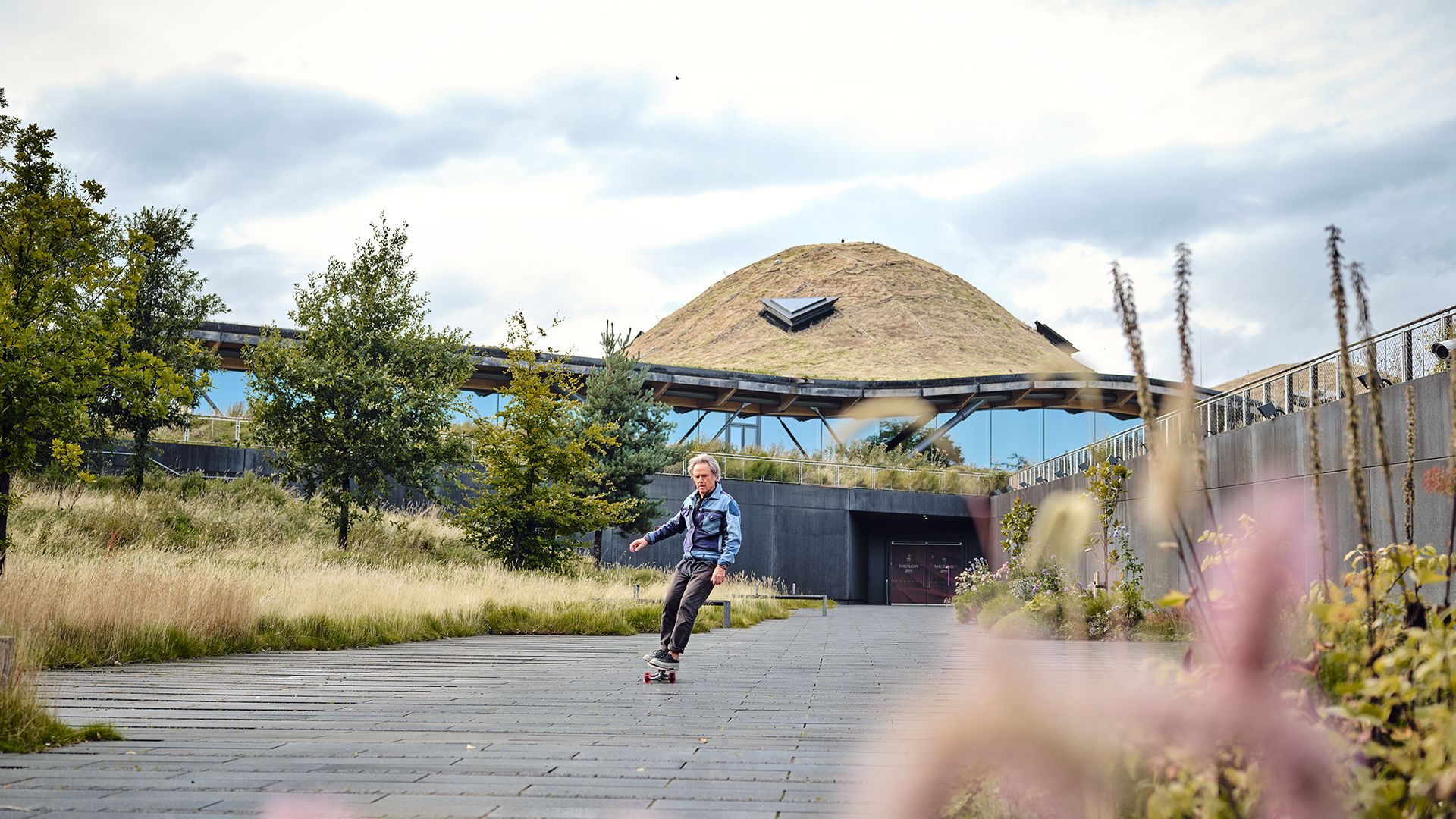
A moment at The Macallan Estate
Reflecting on his long-standing relationship with The Macallan, Carson returns to a memory from his first visit to the estate.
“A man whose job was to tend to the casks told me he was the third generation in his family to work there,” he says. “As we walked down one of the aisles, he stopped and said, ‘Look at how the light from the windows hit the casks from this angle. Isn’t that beautiful.’”
“And it was.”
Visit here to book The Macallan - Reimagined 19 May 2026: themacallan.com